Green Conure Parrots in Pakistan: Buying and Care Guide for Beginners
2026-10-25 · 5 min read
📖 اردو میں پڑھیں
Conures are small, colourful parrots full of personality. They love attention, learn tricks quickly and can become a real member of the family. In Pakistan, green-cheek and sun conures are among the most asked-for pet birds. But a conure is not a toy: it can live for 15 to 30 years and needs daily time with you. This guide explains which conure to choose, how to buy a healthy bird safely, and how to care for it in Pakistan's weather.
Part 1: Which conure is right for you?
| Type | Size | Noise | Best for |
|---|---|---|---|
| Green-cheek conure | about 25 cm | Quiet for a parrot | Flats and first-time owners |
| Pineapple / cinnamon / turquoise | about 25 cm | Quiet | Colour types of the green-cheek |
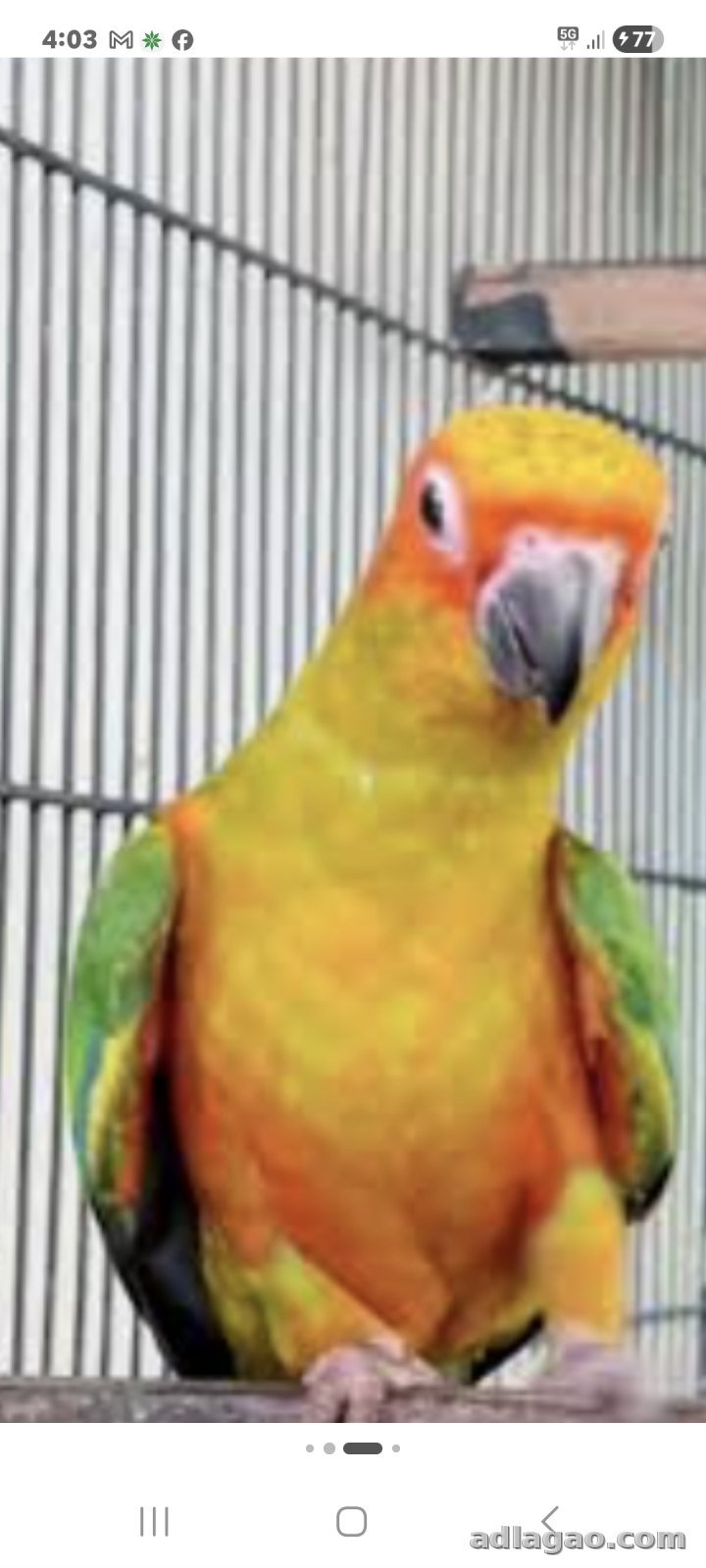
| Sun conure | about 30 cm | Very loud | Houses, owners who are home a lot |
| Jenday conure | about 30 cm | Loud | Owners who want a very cuddly bird |
Tip: if you live in a flat or have close neighbours, choose a green-cheek. A sun conure's call can be heard several houses away, especially in the morning and evening.
Hand-fed (hand-tamed) babies are friendlier and easier to train than birds raised by their parents, but they cost more. Male and female conures look the same, so if the sex matters to you (for example for breeding), ask for a DNA test certificate.
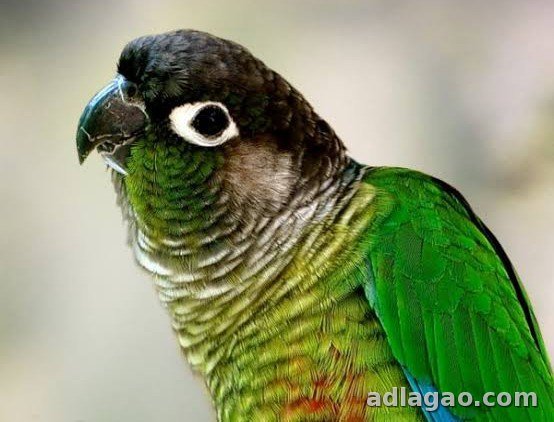
![A green-cheek conure — the most popular conure for first-time owners]![(/uploads/blog/blogpic_23c001c875decea6.jpg)]
Part 2: How to buy a healthy conure
1. See the bird before you pay. Visit the seller, or ask for a live video call in daylight. Never pay in advance for a bird that will be "sent by courier or bus" from a seller you have not met — this is one of the most common bird scams in Pakistan.
2. Check the eyes and nose. Eyes should be bright, round and clean. Nostrils should be dry, with no wet or crusty discharge.
3. Watch how it sits and breathes. A healthy conure is alert and active. Be careful if the bird sits fluffed up with eyes half closed, or if its tail bobs up and down with each breath — both can be signs of illness.
4. Look at the feathers and the vent. Feathers should be smooth and full, without bald patches. The area under the tail should be clean, not dirty or wet.
5. Check the droppings. Normal droppings have a dark part, a white part and a little clear liquid. Very watery, bloody or completely yellow-green droppings are a warning.
6. Ask the right questions. How old is the bird? Is it hand-fed? What does it eat now? Does it have a closed leg ring or DNA certificate? A genuine breeder will happily answer and show the parents.
Tip: keep a new bird away from your other birds for 30 to 45 days (quarantine). Some diseases do not show at first, and this protects your whole flock.
Part 3: Cage and daily life
- Cage size: for a green-cheek, at least 60 × 45 × 60 cm; for a sun conure, bigger is better. The bird should open its wings fully without touching the sides.
- Bar spacing: about 1.2 to 1.6 cm, so the head cannot get stuck.
- Perches: natural wooden perches of different thickness keep the feet healthy.
- Toys: conures love to chew. Change wooden and rope toys every week or two.
- Time out of the cage: at least 2 to 3 hours a day with you, in a safe room with windows and doors closed and fans switched off.
- Sleep: 10 to 12 hours of dark, quiet sleep. Cover the cage at night if the room is noisy or bright.
Part 4: Food — what to give and what never to give
A good diet is the biggest reason conures live long. Do not feed seeds only.
- Every day: good-quality parrot pellets, fresh vegetables (carrot, green chilli, spinach, peas, sweet corn, cucumber) and some fruit (apple without seeds, guava, pomegranate, banana).
- Sometimes: seeds and millet as treats or for training.
- Water: fresh and clean, changed at least twice a day in summer.
Never give: avocado, chocolate, tea or coffee, salty, spicy or fried food, onion and garlic, fruit seeds and pits (like apple seeds), and anything with alcohol. These can make a bird very sick or kill it.
Tip: fumes from non-stick (Teflon) pans and burning oil can kill a bird within minutes. Keep your conure far away from the kitchen.
Part 5: Pakistan's summer and winter
- Heat: never keep the cage in direct sun or in a closed room without air. Signs of heat stress are breathing with an open beak and holding the wings away from the body. Move the bird to shade, give cool water, and a light mist of water can help.
- AC and coolers: fine, but do not let cold air blow directly on the cage.
- Winter: in cold areas keep the cage away from doors and windows with draughts, and cover part of the cage at night.
Part 6: Health and training
- Find a vet who treats birds (avian vet) before you need one, and go at once if your conure stops eating, sits fluffed up or has diarrhoea.
- Weigh your bird once a week on a kitchen scale; quick weight loss is often the first sign of illness.
- Start training with "step up" onto your finger, using small treats. Short sessions of 5 to 10 minutes work best.
- Young conures go through a nippy phase. Stay calm, do not shout or hit, and reward gentle behaviour.
Final word
A conure gives years of fun and affection when it gets the right food, a safe home and your time every day. Buy from honest sellers, see the bird before paying, and keep it away from kitchen fumes and summer heat.
Looking for a conure or other pet bird? Browse birds for sale on AdLagao — talk to the seller directly, see the bird, and buy without any middleman.