
Solar Panels, Inverters and Batteries
2026-10-27 · 5 min read
📖 اردو میں پڑھیں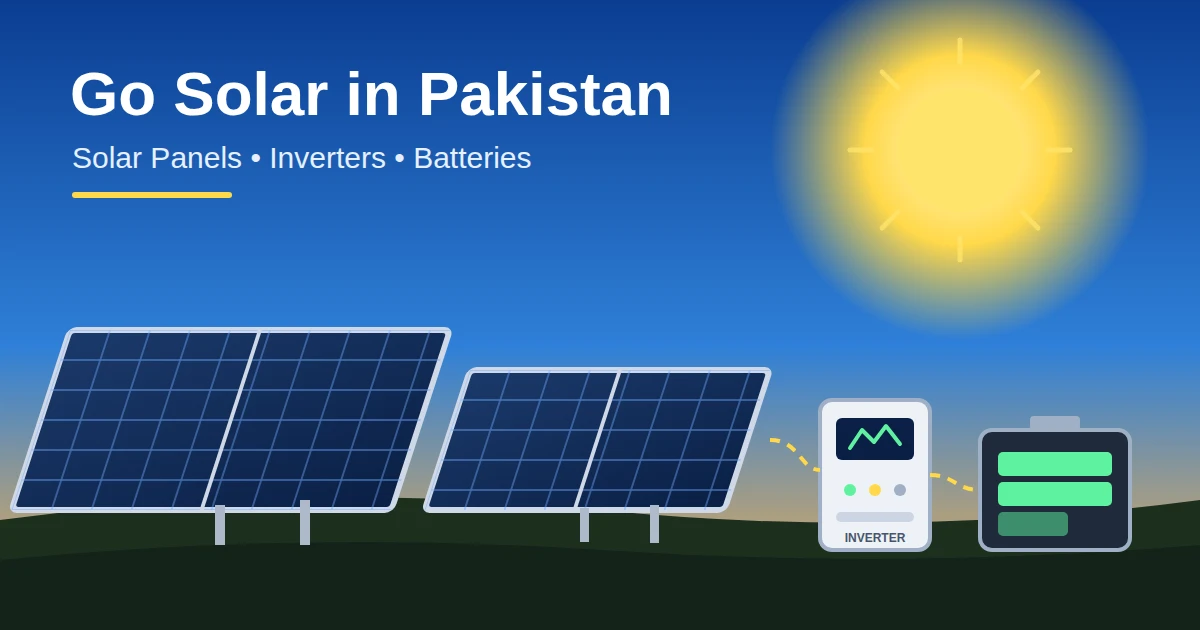
Solar Panels, Inverters and Batteries in Pakistan: A Practical Guide
Everything you need to know before you go solar, from load-shedding relief to smarter electricity bills.
If you live in Pakistan, you already know the pattern: electricity bills keep climbing, and load-shedding still shows up when you least want it. That is why millions of homes, shops, farms and factories have turned to the sun. Pakistan receives strong sunshine across most of the year, and the cost of solar equipment has fallen sharply over the past few years.
But a good solar system is not just a pile of panels on the roof. It is a team of three main parts working together: solar panels, an inverter and (optionally) batteries. This guide explains what each one does and how to choose well.
- Solar Panels: The Power Producers
Solar panels convert sunlight into direct current (DC) electricity. The more good-quality panels you have, and the better they face the sun, the more energy you produce.
Types you will see in the market
- Mono PERC panels: Efficient, widely available and a solid choice for most homes.
- N-type (TOPCon) panels: Newer technology with higher efficiency, better performance in heat and slower degradation. Most popular for new installations today.
- Poly panels: Older and cheaper per panel, but less efficient and taking more roof space. Becoming less common.
What to check before buying
- Brand and warranty: Look for established manufacturers with a performance warranty of 25 to 30 years and a product warranty of 10 to 15 years.
- Wattage: Larger panels (550W to 630W) mean fewer panels and less mounting work.
- Heat performance: Summers in Punjab and Sindh are brutal. Panels with a lower temperature coefficient lose less output on hot days.
- Authenticity: Buy from trusted dealers and ask for original documentation. Fake or B-grade panels are a real risk in the market.
Installation matters. In Pakistan, panels should face south at a tilt close to your city's latitude. Keep them shade-free, use a sturdy galvanized or aluminium structure that can handle wind, and clean the panels regularly because dust loses you more power than most people expect.
- Inverters: The Brain of the System
The inverter converts the DC power from your panels into the AC power your home appliances use. It also manages how energy flows between panels, batteries, your home and the grid.
Three main types
- On-grid (grid-tied) inverters: Work with the national grid and do not need batteries. They are the cheapest option and give the best savings, but they shut down when the grid goes down, for safety reasons. Best if your area has little load-shedding.
- Off-grid inverters: Run entirely on panels and batteries, with no grid connection. Suitable for remote areas, farms and tubewells.
- Hybrid inverters: Combine both. They use solar first, charge batteries, and draw from the grid when needed. This is the most flexible option and the most popular choice for homes facing outages.
How to size an inverter
Add up the appliances you want to run at the same time, paying special attention to ACs, water pumps and refrigerators, which draw a big surge when they start. Choose an inverter with enough capacity for that peak load, and leave some room to expand later. A common mistake is buying a small inverter and then having it trip every summer afternoon.
Look for reliable brands with local after-sales support, since a great inverter with no service centre nearby is a headache waiting to happen.
- Batteries: Power When the Sun Is Down
Batteries store extra solar energy so you can use it at night or during a power cut. They are also the most expensive part of a system and the part most likely to need replacing, so choose carefully.
Lead-acid (tubular) batteries
- Lower upfront cost and easy to find
- Shorter life, typically a few years with good care
- Need regular maintenance such as topping up distilled water
- Should only be discharged partly to stay healthy
Lithium-ion (LiFePO4) batteries
- Higher upfront cost, but a much longer life with thousands of charge cycles
- Can be used deeper without damage
- Lightweight, compact and almost maintenance-free
- Usually the better long-term value, especially for daily use
Do you actually need a battery? Not always. If your area rarely sees outages and you mostly use power during the day, an on-grid system without batteries can be the most economical. If you suffer long outages or want backup for essentials like fans, lights, fridge and internet, a hybrid system with batteries makes sense. Many families start with a smaller battery for essentials and expand later.
Net Metering and Net Billing: Know the Rules
Pakistan's rules on selling extra solar power back to the grid have changed. Under the older net metering system, exported units earned a high buyback rate. In 2026, NEPRA introduced new Prosumer Regulations that shift new customers toward a net billing model with a much lower buyback rate per unit.
What this means in practice: the biggest savings now come from using your own solar power rather than exporting it. Size your system for your own consumption, run heavy appliances during daylight hours, and consider batteries if you want to use more of what you produce.
Policies and rates can change again, so confirm the latest rules and your DISCO's process before you invest.
Practical Tips Before You Buy
- Check your bills. Your average monthly units tell you what system size you need.
- Get several quotes from reputable installers and compare equipment brands, not just the total price.
- Ask about warranties for panels, inverter, batteries and workmanship, and get them in writing.
- Insist on quality wiring, earthing and protection devices. Poor installation is a common cause of fires and failures.
- Plan for maintenance. Clean panels regularly and have the system inspected once a year.
- Leave room to grow. Choose an inverter that can handle extra panels or batteries later.
The Bottom Line
Solar in Pakistan is still one of the smartest ways to take control of your electricity costs and reduce the pain of outages. The right system depends on your usage, your budget and how reliable your grid supply is. Pick quality panels, a properly sized inverter, and a battery type that fits how you will really use it, and your system can serve you well for 20 years or more.
Thinking about going solar? Contact us for a free consultation and a system sized for your home or business.
More articles
 💡 Selling tipsEN · اردو
Renting Out Property, Without An Agent
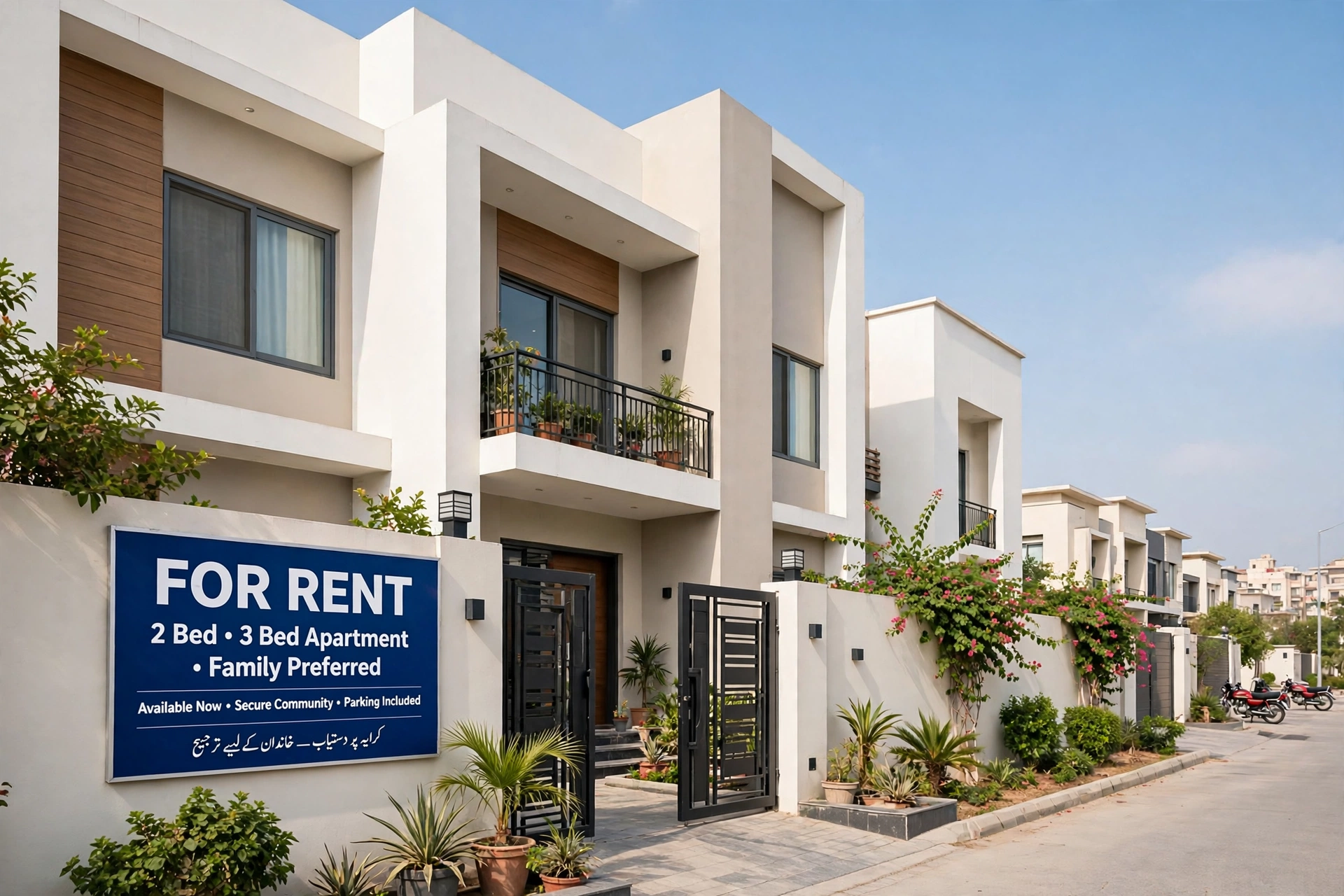
Renting Out Property in Pakistan, Without Paying an Agent
2026-10-23 · 3 min read
💡
💡 Selling tipsEN · اردو
Buy and Sell Car in Pakistan
Sell and buy cars
Free ad on adlagao.com
2026-10-23 · 7 min read
 💡 Selling tipsEN · اردو
How to take good photos so your ad sells faster
Buyers decide in two seconds. Light, background, angles and a clear cover photo — easy tips with any phone.
2026-10-20 · 2 min read